
Useful Serbian Phrases For Ordering Food And Drinks At A Kafana

Author
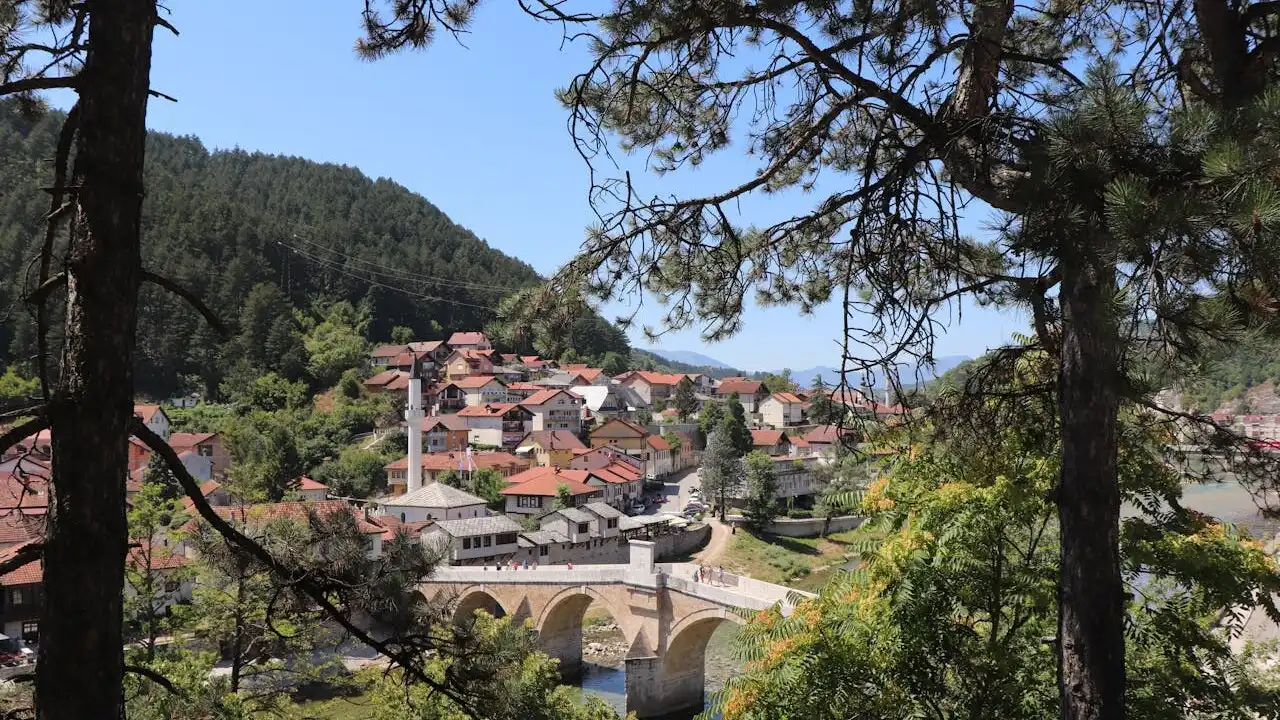
If you travel to Serbia, you absolutely have to visit a kafana.
A kafana is a traditional Serbian tavern.
It’s the heart of Serbian social life and the place where friends meet to eat amazing food, drink local drinks, and listen to live acoustic music.
But if you want to get the true local experience, speaking a little bit of Serbian goes a long way.
I always tell my students that you don’t need perfect grammar to communicate. You just need a few helpful phrases.
Here’s my simple guide to the most useful Serbian phrases for ordering food and drinks at a kafana.
Table of Contents:
Greeting the waiter and getting a table
When you walk into a kafana, a waiter (konobar) will usually greet you.
Depending on the time of day, you can say “good day” or “good evening”. Then, you simply ask for a table.

Dobar dan.
Dobro veče.
Sto za dvoje, molim.
Da li je ovaj sto slobodan?
Ordering drinks like a local
When you sit down, the waiter will usually ask what you want to drink right away.
In Serbia, the most famous local drink is rakija (a strong fruit brandy). People usually drink it before a meal. If you prefer beer, you can order pivo, and if you want water, ask for voda.
To say “I’d like” in Serbian, we use the phrase ja bih. But locals also often just say daćete mi… which literally translates to “you’ll give me…” (don’t worry, it’s not considered rude in Serbian!).
Here are some helpful ways to order:
Šta ćete za piće?
Ja bih pivo, molim.
Mogu li dobiti šljivovicu?
Useful drink vocabulary:
| English | Serbian | Pronunciation |
|---|---|---|
| Water (still / sparkling) | Voda (negazirana / gazirana) | Vo-da (ne-ga-zee-ra-na / ga-zee-ra-na) |
| Beer | Pivo | Pee-vo |
| Wine (red / white) | Vino (crveno / belo) | Vee-no (tsr-ve-no / be-lo) |
| Coffee (traditional Turkish) | Domaća kafa | Do-ma-cha ka-fa |
| Plum brandy | Šljivovica | Shlyee-vo-vee-tsa |
| Quince brandy | Dunjevača (or simply “Dunja”) | Doo-nye-va-cha (Doo-nya) |
Ordering food and classic dishes
Serbian food is famous for its meat, especially barbecue (roštilj).
There’s a slight regional variation in what people eat. If you travel to the south of Serbia (like the cities of Niš or Leskovac), the barbecue is legendary and often very spicy! If you go north to Vojvodina, the food is more influenced by Hungarian cuisine, so you’ll find amazing goulash (gulaš).
First, you’ll need the menu.
Mogu li da dobijem jelovnik, molim?
When you’re ready to order, you can use uzeću which means “I’ll take”.
Uzeću deset ćevapa.
Jednu šopsku salatu, molim.
Useful food vocabulary:
| English | Serbian | What is it? |
|---|---|---|
| Ćevapi | Ćevapi | Small grilled minced meat sausages. A Balkan classic! |
| Pljeskavica | Pljeskavica | A Serbian meat patty, similar to a hamburger. |
| Sarma | Sarma | Cabbage leaves stuffed with minced meat and rice. |
| Shopska salad | Šopska salata | Tomato, cucumber, onion, and a mountain of grated white cheese. |
| Bread | Hleb (or Lepinja) | Lepinja is a warm, flat bread often served with meat. |
Expressing dietary preferences
I’ll be honest: traditional Serbian kafanas are very meat-heavy.
However, things are changing, and most restaurants in bigger cities like Belgrade and Novi Sad will understand if you have dietary restrictions. It’s always a good idea to explain what you can’t eat clearly.
Ne jedem meso.
Ja sam vegetarijanac.
Imate li nešto bez mesa?
Alergičan sam na orašaste plodove.
Note: If you’re female, you should say “Alergična sam…” instead of “Alergičan sam…”.
Asking for the bill and tipping
When you’re full and ready to go, it’s time to ask for the bill.
In Serbia, the waiter will usually not bring the bill to your table unless you specifically ask for it. You can sit and chat for hours!
Račun, molim.
Mogu li da platim karticom?
A quick tip on tipping:
Tipping (bakšiš) is very common and expected in Serbia if you’re happy with the service. The standard tip is around 10% of the total bill. If you’re paying in cash, it’s also very common to simply round up the bill. For example, if your meal costs 1,750 dinars, you can give the waiter 2,000 dinars and say u redu je (“it’s fine” or “keep the change”).
Enjoy your meal!
To say “enjoy your meal” or “bon appétit” in Serbian, we say Prijatno!
Serbian locals are incredibly warm and welcoming. They’ll be thrilled just to hear you trying their language.
Prijatno!
